Lullaby For Babies To Go To Sleep in Bali – Baby Duckling – Sleep Instantly Within 3 Minutes
Tonight a baby duckling drifts gently to sleep in a sunlit Bali lagoon, wrapped in soft Mozart and Brahms lullabies.
100+ countries
Families in over 100 countries fall asleep to our lullabies every night.
Years on YouTube
A growing library we've been carefully crafting for several years.
Classical melodies
Real lullabies — Brahms, Mozart, Twinkle Twinkle — gently rearranged.
No harsh sounds
No sudden flashes, no loud effects — designed to soothe, never startle.
About this lullaby
We made this one 12 hours long for a reason. You never have to sneak into the room to restart anything. The video outlasts the whole night by a wide margin. That is longer than any night, so the music never stops while your child sleeps. There is no silence at 3am and no autoplay jumping to some loud video you never picked.
For a child who adores Baby Duckling, this video turns a beloved character into part of the bedtime routine. Baby Duckling drifts calmly through the scenes rather than doing anything exciting, so there is nothing to stay awake for. Kids relax faster when the screen already feels like theirs, and a favorite face on a gentle sleepy scene is one of the easiest ways to make bedtime something they look forward to instead of resisting. The opening minutes carry most of the weight. The first melody is the softest in the whole video, chosen so a tired child tips over into sleep before the second track even starts. If your little one is already worn out and the room is dark, do not be surprised if they are gone within the first song.
From the first note to the last, the audio holds at a single gentle level. The piano stays rounded and low, and the music box notes are soft rather than sharp and tinkly. A child's brain is very good at noticing change, and change is what wakes them, so we take the changes away.
If you want this to work its best, make it part of a repeating routine. A lullaby played once is just background sound, but the same one played nightly becomes a habit the body knows. The melody stops being just music and becomes a cue your child's body reads without thinking.
What you see is as quiet as what you hear. There are no flashes, no quick cuts and no bright color changes anywhere in the video. It is safe to leave running all night with the screen dimmed.
Every track rests on classic lullaby melodies rather than generated background noise. We play them the unhurried way a music box would, rounding off every sharp edge. A familiar melody plus a calm tempo is a powerful pairing, because a child recognizes the shape of the tune even half asleep, and recognition itself is soothing.
Bedtime is the obvious use, but families reach for this at other moments too. Nursery rooms, daycare quiet time, travel cots and unfamiliar hotel rooms all become easier with a steady sound. Wherever your child sleeps, a sound that stays exactly the same helps an unfamiliar place feel a bit more like home.
Adults use this too, and it makes sense. Plenty of grown ups leave it on for their own sleep, or for reading, studying and winding down after a hard day. The same thing that helps your child drift off may end up helping you too.
There is nothing on the channel that a small child should not see or hear. Every choice leans toward calm, because that is the only thing that matters at bedtime. It is simply a long, gentle lullaby with a soft scene to match.
Sweet Dreams Songs has been making sleep videos for several years now. Every arrangement is played by hand, with no stock loops and no filler, and it shows in how calm the whole thing feels.
Questions parents ask
Does the Baby Duckling animation keep kids awake?
No, and that is on purpose. Baby Duckling moves slowly through dim, sleepy scenes with no story to follow and no exciting moments. There is nothing on screen to wait for, so children glance at the familiar face, feel reassured and then stop watching within a few minutes and simply listen.
Is it suitable for a newborn?
It works well for newborns as long as you keep it quiet. At that age the steady, unchanging sound is the important part, more than the melody or the picture. A flat, low lullaby helps cover household noise and gives a very young baby one calm, constant thing to rest against.
How loud should I play it?
Keep it low. A good test is whether you can hold a normal conversation over it without raising your voice. If you can, the level is right. Loud lullabies tend to keep children awake instead of settling them, so when in doubt, turn it down rather than up.
How fast do babies fall asleep to the Baby Duckling lullaby?
Many parents report five to ten minutes once the routine settles in. The trick is consistency. Play the same video at the same point of the evening, and the melody itself starts working like a sleep signal.
What age is the Baby Duckling lullaby for?
Any age, honestly. It was made with babies and toddlers in mind, so the sound is soft enough for the smallest ears, but plenty of parents use it for older children and even for their own sleep.
How to use this Duck lullaby
- Start 15-30 minutes before bedtime. Play softly in the background as you read a book or finish the bath routine. The classical melody signals to your child’s brain that it’s time to wind down.
- Keep the screen out of reach or face down. The animation is calm, but a baby doesn’t need to look at it — the audio alone does the work.
- Pick a length that matches the night. 1-2 hour mixes are great for naps; 8-10 hours covers a full toddler night; 16-24 hours runs from bedtime through morning without ever cutting out.
- Volume: barely audible. A common mistake is playing lullabies too loud. Set it so you can just hear it from across the room — that’s the sweet spot.
More Duck lullabies
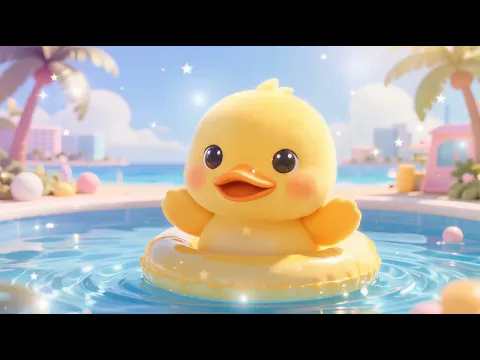
Relaxing music for kids
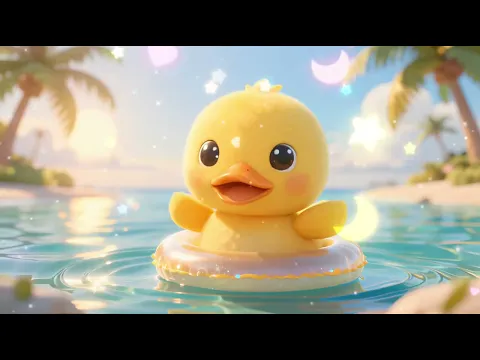
Fall Asleep in 5 Minutes – Baby Duckling Sleep Music in Cancun – Deep Sleeping Relaxing Music
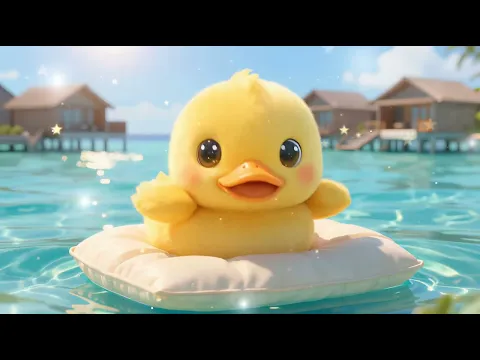
Naptime music for preschoolers
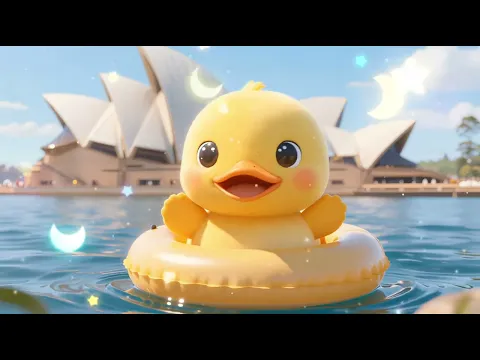
Super Relaxing Baby Duckling Lullabies in Sydney – Beat Insomnia Fast – Sleep Instantly
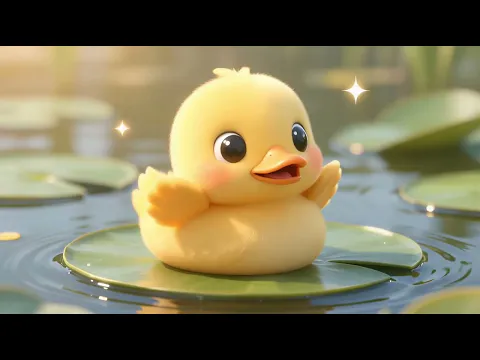
Super relax lullaby
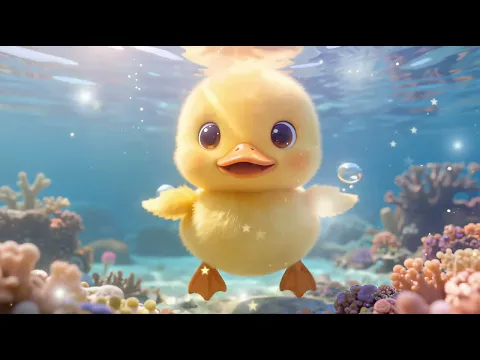
Sleep music yellow duck
More character lullabies
Every kid has more than one favorite. Explore other characters from our catalog: