Naptime music for preschoolers
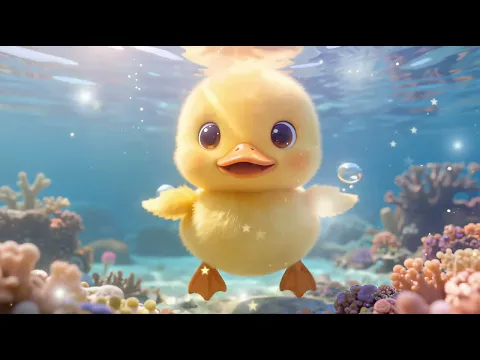
Tonight a baby duckling drifts gently to sleep in a crystal turquoise Maldives lagoon, wrapped in soft Mozart and Brahms lullabies.
100+ countries
Families in over 100 countries fall asleep to our lullabies every night.
Years on YouTube
A growing library we've been carefully crafting for several years.
Classical melodies
Real lullabies — Brahms, Mozart, Twinkle Twinkle — gently rearranged.
No harsh sounds
No sudden flashes, no loud effects — designed to soothe, never startle.
About this lullaby
Start it once and it plays for 12 hours straight. That is longer than any night, so the music never stops while your child sleeps. There is no silence at 3am and no autoplay jumping to some loud video you never picked. Parents put videos this long on during sleep regressions, newborn weeks and nights in a new place. Whenever the child wakes, the music is still playing.
A steady routine is what turns this from nice music into a real sleep aid. Play it at the same point every evening, after the bath and the last story. Kids learn that when this sound arrives, the lights go low and the day is done, and that association often turns a long bedtime battle into a calm few minutes.
The melodies are classical lullabies, the kind that have been putting children to sleep for a very long time. We keep the tune easy to recognize while smoothing away anything bright, fast or busy. A tune your child has heard before, even once or twice, feels safe, and safe is what helps a small body let go of the day.
Parents tell us they use this well beyond the crib. Long car journeys, flights across time zones and afternoons when an overtired toddler cannot settle are all common uses. Anywhere a child needs to wind down and the surroundings are not helping, a steady lullaby gives them something calm to hold onto.
The sound stays soft the whole way through. Nothing is bright, nothing is busy, and nothing ever races ahead of the calm pace. A child's brain is very good at noticing change, and change is what wakes them, so we take the changes away.
The picture follows the same rule as the sound, which is slow, dim and predictable. It is a soft scene with rounded edges, gentle movement and not a single flicker. Children can glance at the scene as they drift off, and there is nothing there that rewards staying awake to watch.
Adults use this too, and it makes sense. Plenty of grown ups leave it on for their own sleep, or for reading, studying and winding down after a hard day. If you struggle to switch off at night, a long, steady lullaby with no surprises is a surprisingly good place to start.
Safety for little ears and eyes is the whole point. No jump scares, no loud advert breaks inside the video, no sudden bright moments. You can hit play and step out of the room without wondering what the next section is going to do.
Families in more than 100 countries play our lullabies every night, and that is the best review we could ask for. We hope this one finds a place in your bedtime routine too.
Questions parents ask
Is this lullaby free to watch?
Yes, everything on the channel is free. You can play it as often as you like, on any device, at no cost. If it becomes part of your routine, subscribing just makes it easier to find the same video again the next night.
What age is this lullaby for?
From newborns to early school age. Babies respond to the steady quiet sound, toddlers respond to the familiar character, and older kids simply find it calming. Parents tell us they fall asleep to it too.
Why is this lullaby good for sleep?
Because it removes everything that usually keeps children awake. No vocals to listen to, no plot to follow, no loud moments, no bright flashes. What is left is a warm melody on repeat, and that is exactly what a tired brain wants.
How loud should I play it?
Keep it low. A good test is whether you can hold a normal conversation over it without raising your voice. If you can, the level is right. Loud lullabies tend to keep children awake instead of settling them, so when in doubt, turn it down rather than up.
Can I leave it playing all night?
Yes, that is what this version is for. At 12 hours it outlasts the night, the volume stays flat from the first minute to the last, and the screen stays dim. Many families run it from bedtime to morning.
How to use this Duck lullaby
- Start 15-30 minutes before bedtime. Play softly in the background as you read a book or finish the bath routine. The classical melody signals to your child’s brain that it’s time to wind down.
- Keep the screen out of reach or face down. The animation is calm, but a baby doesn’t need to look at it — the audio alone does the work.
- Pick a length that matches the night. 1-2 hour mixes are great for naps; 8-10 hours covers a full toddler night; 16-24 hours runs from bedtime through morning without ever cutting out.
- Volume: barely audible. A common mistake is playing lullabies too loud. Set it so you can just hear it from across the room — that’s the sweet spot.
More Duck lullabies
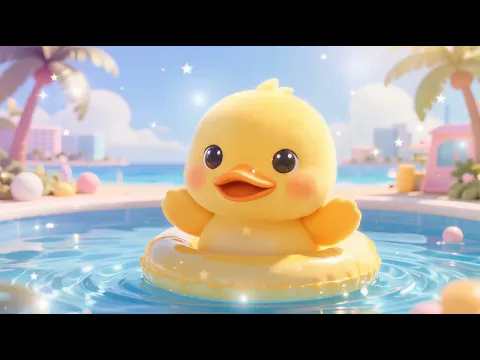
Relaxing music for kids
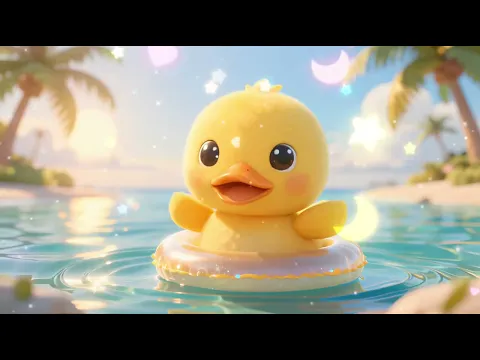
Fall Asleep in 5 Minutes – Baby Duckling Sleep Music in Cancun – Deep Sleeping Relaxing Music
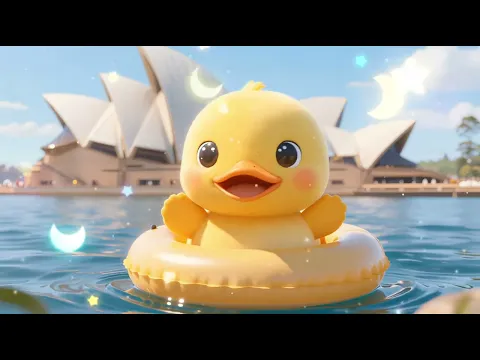
Super Relaxing Baby Duckling Lullabies in Sydney – Beat Insomnia Fast – Sleep Instantly
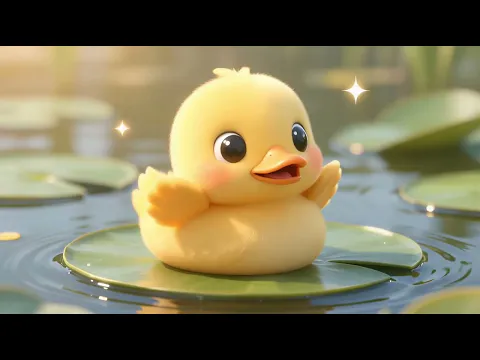
Super relax lullaby
Sleep music yellow duck
Sleep Instantly Within 3 Minutes – Baby Duckling Lullabies in Hawaii – Deep Sleeping Relaxing Music
More character lullabies
Every kid has more than one favorite. Explore other characters from our catalog: