Relaxing music for kids
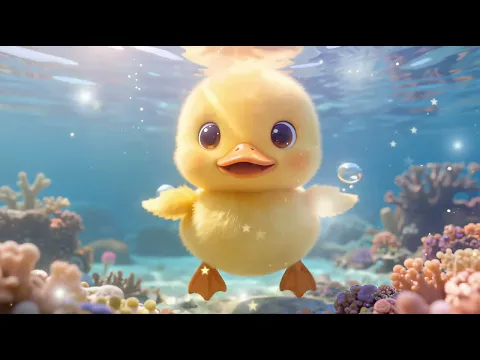
Tonight a baby duckling drifts gently to sleep in a sunny rooftop pool in Dubai, wrapped in soft Mozart and Brahms lullabies.
100+ countries
Families in over 100 countries fall asleep to our lullabies every night.
Years on YouTube
A growing library we've been carefully crafting for several years.
Classical melodies
Real lullabies — Brahms, Mozart, Twinkle Twinkle — gently rearranged.
No harsh sounds
No sudden flashes, no loud effects — designed to soothe, never startle.
About this lullaby
The full video lasts 12 hours, so you press play once and forget about it for the rest of the night. That is longer than any night, so the music never stops while your child sleeps. There is no silence at 3am and no autoplay jumping to some loud video you never picked. Parents put videos this long on during sleep regressions, newborn weeks and nights in a new place. Whenever the child wakes, the music is still playing.
Consistency is the quiet secret here. Same time, same order, every night. Within a week or two the first few notes start to work as a signal all by themselves.
Underneath everything is real classical music. We take melodies that already work, slow them down and let them repeat gently. Nothing here is trying to be clever or new, because tired children do not need clever, they need familiar and slow.
There is a simple reason slow music helps small children sleep. Slow music encourages slow breathing, and slow breathing is most of what falling asleep actually feels like from the inside. It is the same quiet approach parents have used with soft singing for as long as there have been babies.
It earns its place in more than just the nighttime routine. It works in the car on a long drive, in the stroller on a restless afternoon, and on a plane when a nap has to happen in a strange seat. The same qualities that make it good for night make it good anywhere the world around a child is a little too loud or too new.
There is nothing on the channel that a small child should not see or hear. The audio never spikes, the picture never flashes, and nothing is trying to grab attention or sell anything. Being able to leave something running near a sleeping baby is rare, and it is exactly what we set out to make.
We keep the recording quiet and even on purpose. The piano stays rounded and low, and the music box notes are soft rather than sharp and tinkly. Nothing in the track ever gets louder than the passage before it, which is the single most important thing for keeping a sleeping baby asleep.
We have spent years learning what a sleep video should sound and look like, and this is where that ended up. Try it tonight, and if your little one drifts off faster than usual, there are plenty more just like it waiting.
Questions parents ask
Why is this lullaby good for sleep?
Because it removes everything that usually keeps children awake. No vocals to listen to, no plot to follow, no loud moments, no bright flashes. What is left is a warm melody on repeat, and that is exactly what a tired brain wants.
Can I leave it playing all night?
Yes. This 12 hours version was made for exactly that. There is no point in the night where the audio cuts out, and nothing in the picture will brighten the room.
Is it suitable for a newborn?
Yes. The audio is soft and even, with no sudden sounds, which is exactly what a newborn needs. Keep the volume low and the screen out of direct view, and use the sound as gentle background while you feed, rock or settle your baby. Many parents of newborns use long videos like this so the sound carries through the whole sleep stretch.
How loud should I play it?
Quieter than you might think. Set it so you can just barely hear it from across the room. A lullaby works as a background signal rather than as something to actively listen to, and low playback is both safer for small ears and better at keeping a child asleep. If it feels almost too quiet for you, it is probably about right for your baby.
How fast do babies fall asleep to this lullaby?
Usually within the first two or three tracks. If your child is already tired and the lights are low, the soft opening melody does most of the work. Children who hear the same lullaby every night fall asleep faster over time.
What age is this lullaby for?
From newborns to early school age. Babies respond to the steady quiet sound, toddlers respond to the familiar character, and older kids simply find it calming. Parents tell us they fall asleep to it too.
How to use this Duck lullaby
- Start 15-30 minutes before bedtime. Play softly in the background as you read a book or finish the bath routine. The classical melody signals to your child’s brain that it’s time to wind down.
- Keep the screen out of reach or face down. The animation is calm, but a baby doesn’t need to look at it — the audio alone does the work.
- Pick a length that matches the night. 1-2 hour mixes are great for naps; 8-10 hours covers a full toddler night; 16-24 hours runs from bedtime through morning without ever cutting out.
- Volume: barely audible. A common mistake is playing lullabies too loud. Set it so you can just hear it from across the room — that’s the sweet spot.
More Duck lullabies
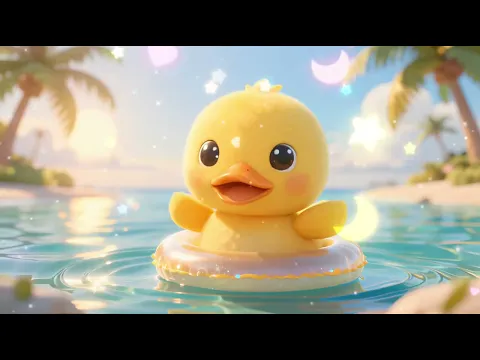
Fall Asleep in 5 Minutes – Baby Duckling Sleep Music in Cancun – Deep Sleeping Relaxing Music
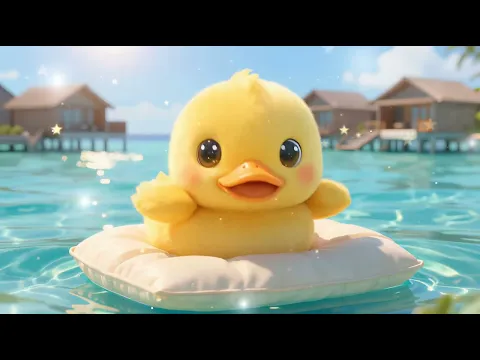
Naptime music for preschoolers
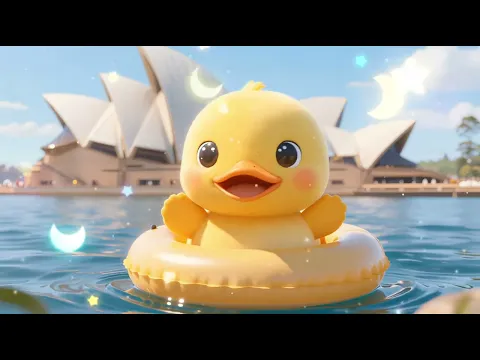
Super Relaxing Baby Duckling Lullabies in Sydney – Beat Insomnia Fast – Sleep Instantly
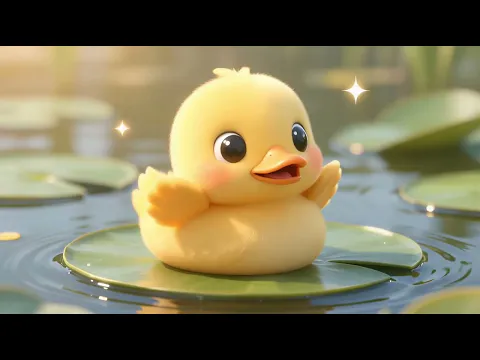
Super relax lullaby
Sleep music yellow duck
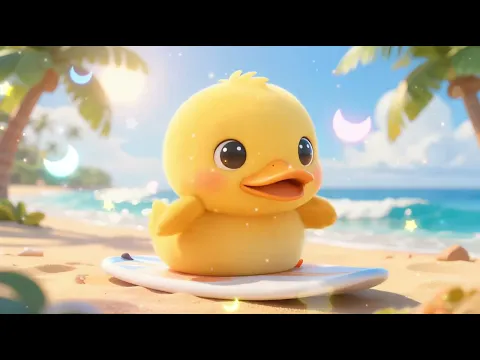
Sleep Instantly Within 3 Minutes – Baby Duckling Lullabies in Hawaii – Deep Sleeping Relaxing Music
More character lullabies
Every kid has more than one favorite. Explore other characters from our catalog: